
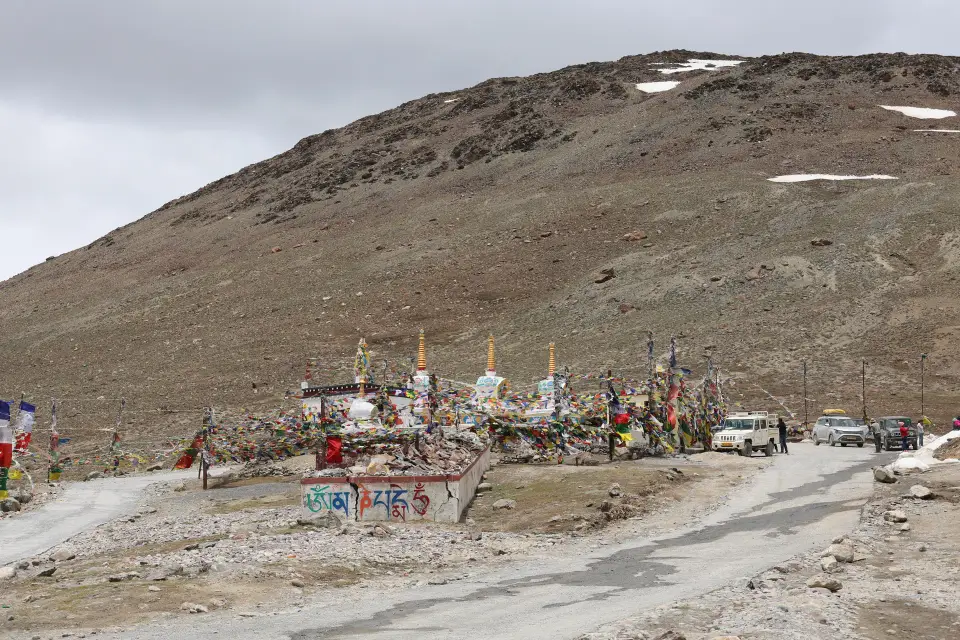
Leh sits at about 3,500 m and the Spiti valley is higher still. Most people feel some effect of altitude, and planning for it is the single best thing you can do. This is general guidance; speak to a doctor before a high-altitude trip.
Give your body a rest day
Our Ladakh itineraries start with a day to rest in Leh and a relaxed first day in Kaza. Use it. Walk slowly, avoid heavy meals and do not plan sightseeing for the first 24 hours.
Hydration and what to avoid
Drink water steadily through the day. Dry air at altitude makes you lose fluid faster than you notice.
Limit alcohol and sleeping tablets, both of which can make symptoms worse at night.
Symptoms to watch for
Mild headache, tiredness and poor sleep are common in the first days. Stop and tell your captain if you have severe headache, vomiting, breathlessness at rest, confusion or unsteady walking. Descending is the treatment that works.
- Tell your captain early. Do not ride or walk through symptoms.
- Our tours carry an oxygen cylinder and an oximeter in the backup vehicle.
- Carry the altitude medicine your doctor recommends, plus your usual medicines.
Questions
Do I need to take medicine before going?
Ask your doctor. Some people take preventive medicine on advice, but it is not suitable for everyone.
Can I fly into Leh the same day and ride?
We recommend at least a full rest day in Leh. Riding on day one is a common cause of altitude problems.

