Winter Spiti Survival Guide: What to Pack & How to Prepare
Winter in Spiti Valley is not your average winter vacation. With temperatures plummeting to -30°C and roads covered in several feet of snow, this is one of the most extreme travel experiences in India. But with the right preparation, it's also one of the most rewarding. Here's your ultimate survival guide.
Understanding the Climate
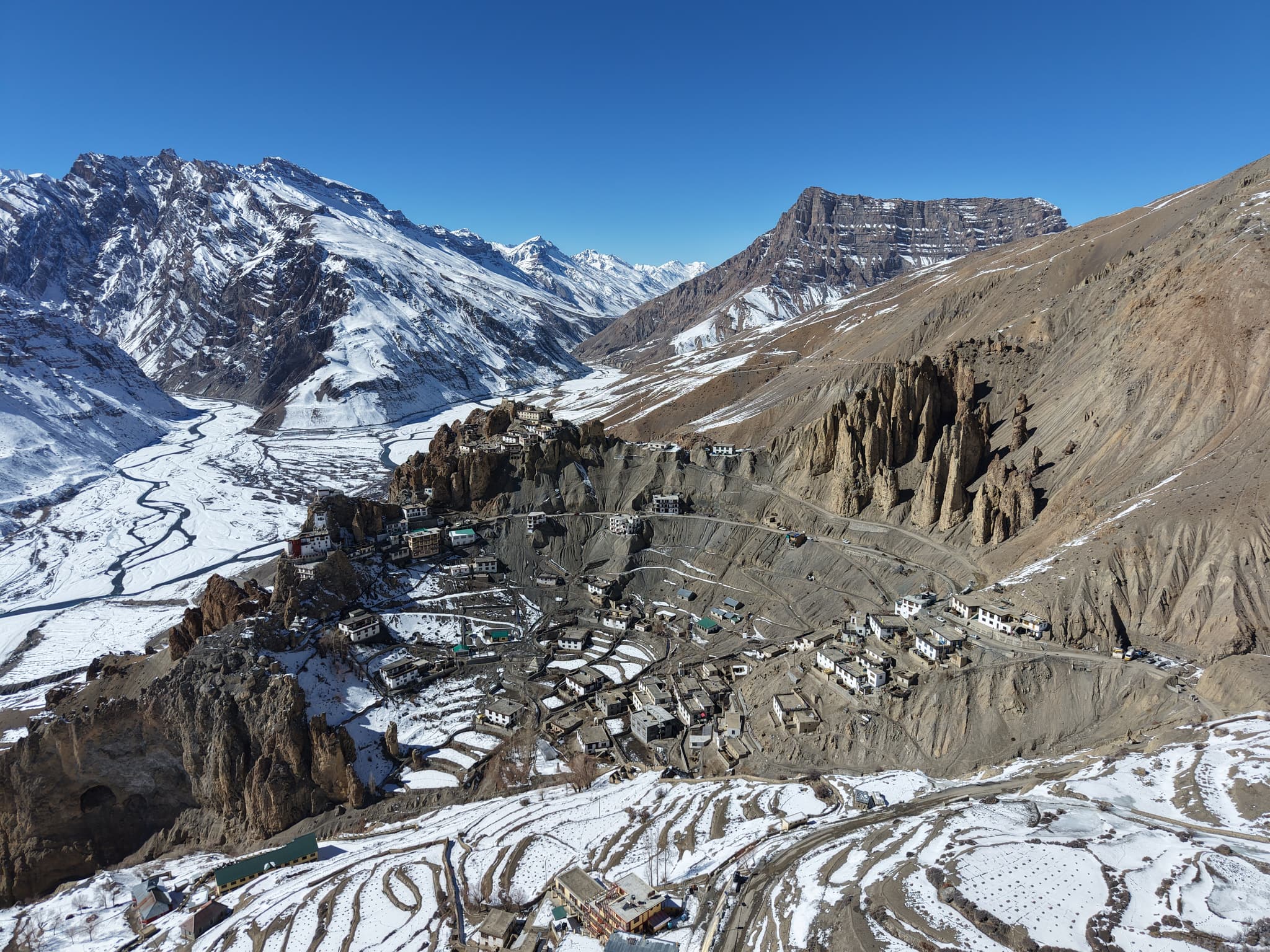
Winter Spiti operates in a completely different reality from the rest of India. Daytime temperatures hover between -10°C to 5°C, while nights can drop to a bone-chilling -30°C. The sun is deceptively strong during the day due to the high altitude and snow reflection, so sunscreen is critical even in sub-zero temperatures. The air is extremely dry, and altitude sickness is a real risk as most villages sit above 12,000 ft.
The Layering System
The golden rule of winter clothing is layering. You need 4-5 layers working together: **Base Layer** — Merino wool or synthetic thermal inners (top and bottom). Avoid cotton — it absorbs sweat and freezes. **Mid Layer 1** — A lightweight fleece or wool sweater. **Mid Layer 2** — A heavier fleece or thin down jacket. **Outer Layer** — A windproof and waterproof shell jacket. **Extreme Cold Layer** — A heavy-duty down jacket rated for -30°C for evenings and early mornings.
Essential Gear Checklist
Snow boots rated for extreme cold (not regular winter boots), 6-7 pairs of woolen socks (change daily), insulated waterproof gloves with liner gloves underneath, woolen cap + balaclava + neck gaiter, UV-protective sunglasses or ski goggles, hand warmers / heat packs (at least 4 pairs), insulated water bottle (regular bottles freeze within 15 minutes), SPF 50+ sunscreen and SPF lip balm, heavy-duty moisturizer (skin cracks in dry cold), power bank rated for cold weather.
Health & Safety
Acute Mountain Sickness (AMS) is the biggest risk. Symptoms include headache, nausea, dizziness, and shortness of breath. Our expeditions include a gradual ascent profile and oxygen cylinders. Stay hydrated (4-5 liters of water daily), avoid alcohol completely (it dehydrates and masks AMS symptoms), and communicate any discomfort to your expedition lead immediately. Diamox can help prevent AMS but consult your doctor before the trip.
Why Choose an SUV Expedition
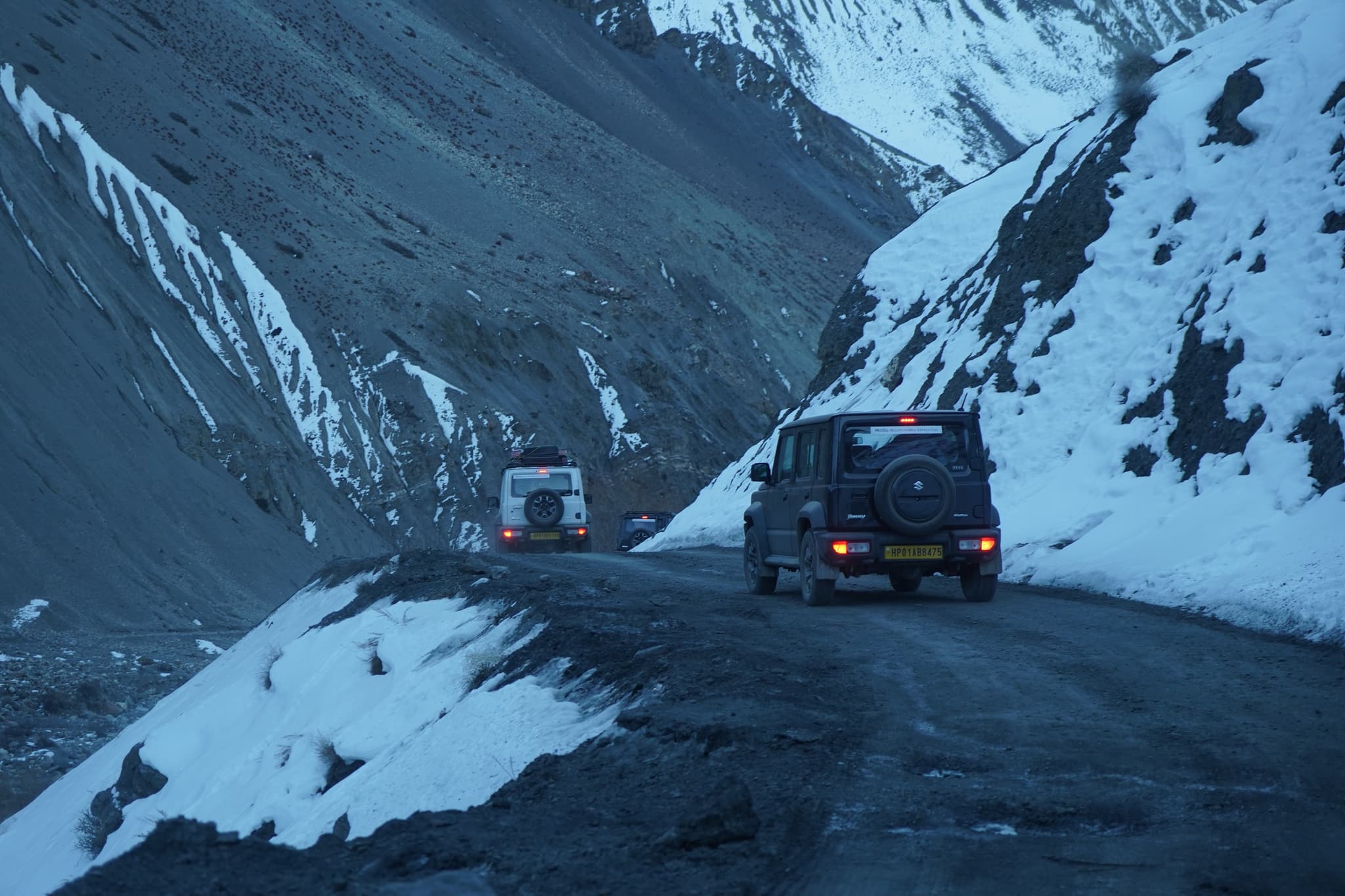
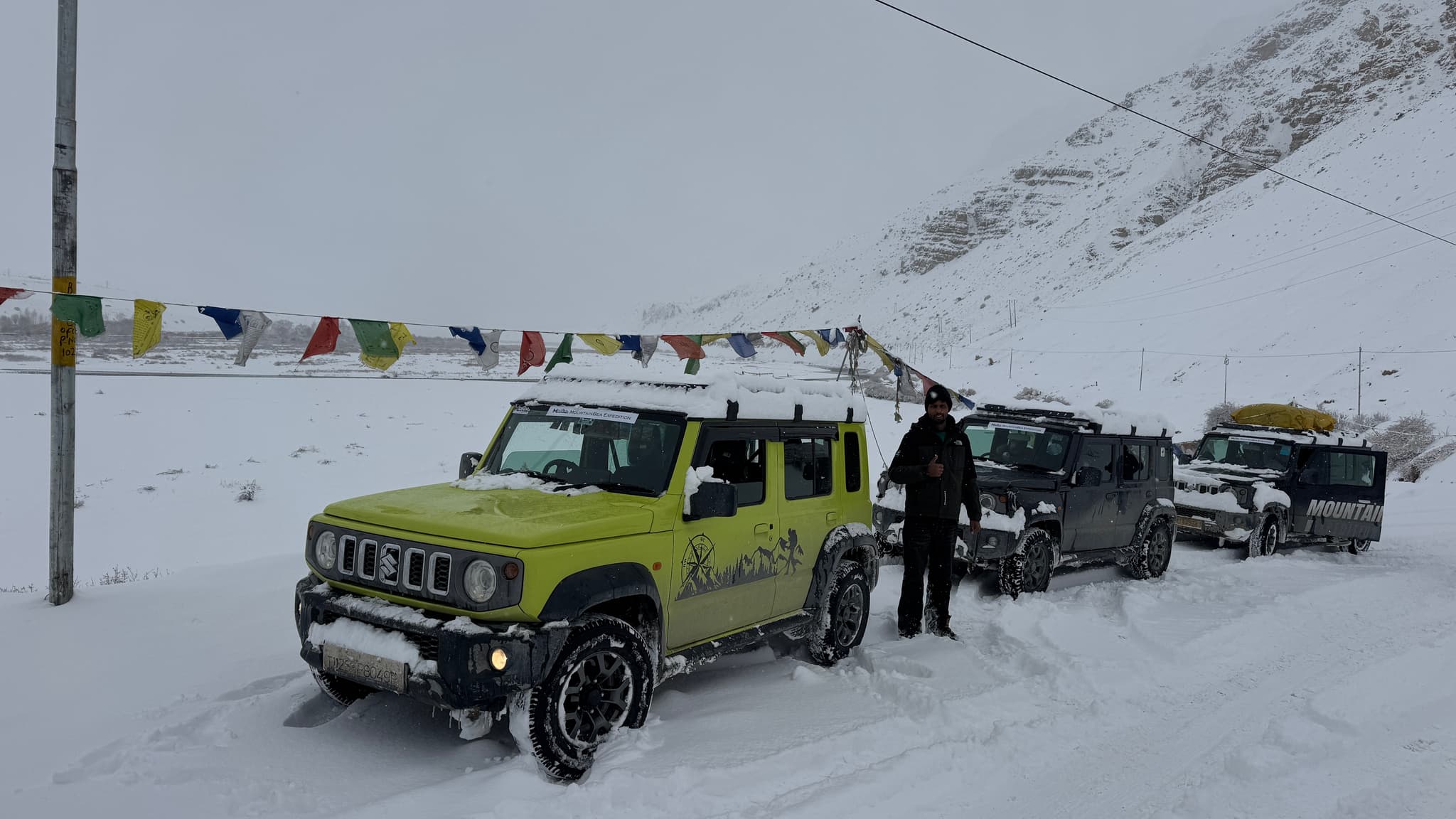
In winter, biking is not possible in Spiti. The roads are covered in snow and ice, and the extreme cold makes motorcycle riding dangerous. Mountainbea's Winter Spiti expeditions use 4x4 SUVs (Thar, Jimny, Bolero) equipped with snow chains and powerful heaters. The enclosed vehicle provides protection from the elements while still allowing you to experience the raw beauty of winter Spiti.
The Winter Spiti Experience
Despite the challenges, Winter Spiti offers experiences that summer visitors can only dream of. Frozen waterfalls turned to ice sculptures, the surreal blue of the frozen Nako Lake, the complete silence of a snow-covered village, the Ice Café at Kaza where everything is made of ice, and the incredible sight of the Milky Way visible to the naked eye on a moonless night. This is Spiti in its most pure, untouched form.